SS304 vs SS316 vs Titanium: PHE Plate Materials
SS304 vs SS316 vs Titanium: PHE Plate Materials Explained
The plate touches both fluids, so the heat exchanger plate material sets which duties a unit can take and how long the pack lasts. Most units run one of three materials: 304, 316L, or titanium, and each earns its price in a different duty.
304 vs 316 Stainless Steel
Grade 304 is the 18/8 chromium-nickel stainless, the least costly of the three and a sound choice for clean water, domestic hot water, and benign industrial water. Its ceiling is chlorides. Around 100 ppm is where pitting and stress corrosion cracking start to matter, and above roughly 60 °C the risk climbs.
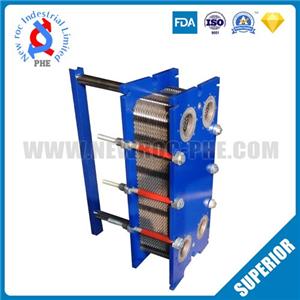
A 316L plate heat exchanger answers that gap. Grade 316 adds 2 to 3 percent molybdenum, which lifts chloride resistance to roughly 2000 ppm and raises the pitting resistance number from about 19 to about 24. The L grade keeps carbon low, which protects the formed and welded plate against intergranular corrosion. For general industrial duties, 316L is the usual workhorse. Hot chloride service still calls for care.
A Titanium Plate Heat Exchanger, and When to Use One
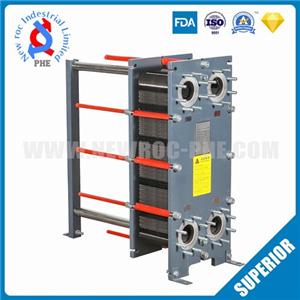
Titanium sits at the top of the chloride range. It suits seawater, brine, hypochlorite, wet chlorine, and oxidizing acids, which is why a titanium plate heat exchanger shows up in marine and chemical duties. It is not a blanket answer. Titanium is attacked by reducing acids, so hydrochloric and hydrofluoric acid are out, and dry chlorine is a problem. In seawater above about 80 °C, tight crevices can corrode. Where chloride is high and temperature is hot, a high-molybdenum stainless such as 254 SMO is worth comparing on cost.
Plate Heat Exchanger Plate Material Selection
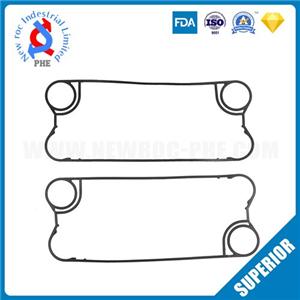
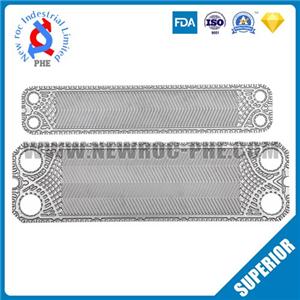
Read the duty, not the price list. Clean, low-chloride water points to 304. General industrial water and moderate chlorides point to 316L. Seawater or oxidizing chlorides point to titanium. Reducing and mixed acids point to neither, and call for a nickel alloy. Plate material and gasket must pass together, and the gasket sets the temperature ceiling. When you order replacement plates, match material, thickness, and corrugation.
FAQ
Q: 304 or 316, which is better?
A: 316L resists chlorides better and costs more. 304 is a good fit for clean, low-chloride water.
Q: When do I need titanium?
A: Seawater, brine, and oxidizing chloride duties. Keep it away from hydrochloric and hydrofluoric acid.
Q: Does the material affect spare parts?
A: Yes. Replacement plates must match the original material, thickness, and corrugation.
Need a Material Recommendation?
Send a nameplate photo, the fluid on each side, and the working temperature. We will match the plate material and quote within 24 hours. Email info@newroc-phe.com.