HVAC & District Heating PHE Maintenance Essentials
HVAC & District Heating PHE Maintenance Essentials
A substation that has run all winter cannot wait for a gasket in January. Most of the units we see in heating and cooling service are not worn out. They are neglected in two places: the gasket groove, and the strainer sitting in front of the unit. Both are cheap to deal with in summer and expensive to discover in a cold snap.
Why the Plate Lasts and the Gasket Does Not
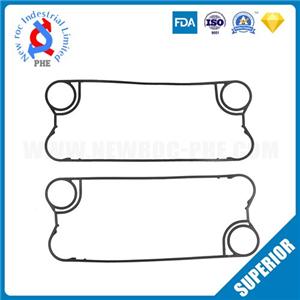
Heating water is usually treated and low in chloride, so a 316L plate pack often gives many years of service. The gasket has a harder life. It sits hot and compressed through the heating season, stays compressed through a warm shutdown, then gets squeezed again in autumn. That cycle ends in compression set and heat ageing, not corrosion. For hvac district heating heat exchanger gaskets the default is EPDM: it covers water and hot water duties to about 140 °C continuous, above normal network supply temperatures. NBR belongs on oil, FKM where oil meets high temperature.
What District Heating Does Differently
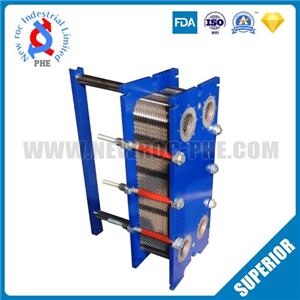
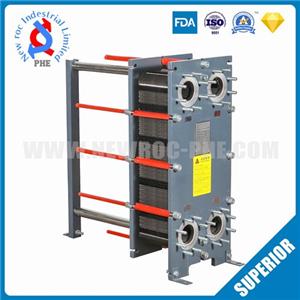
A district heating plate heat exchanger maintenance routine has to account for make-up water. Networks that lose water steadily take in fresh water, and fresh water brings dissolved oxygen. The oxygen attacks steel piping, and the resulting magnetite sludge travels until it settles in the plate pack. The first symptom is usually a rising pressure drop, not a leak. On the domestic hot water side, the water is chlorinated; EPDM tolerates chlorine residuals better than NBR, which is one reason not to swap compounds to save a few euros.
Where These Units Actually Fail
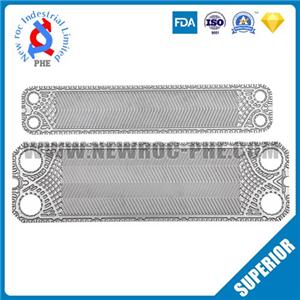
Four points cover most of the calls we get. Deposits under the gasket, where chloride concentrates and pitting starts beneath a gasket that still looks intact. Sludge in the port and distribution area, where velocity drops. Over-tightening at the last rebuild, because nobody recorded the A-measurement. And a mixed gasket set, with EPDM on the heating side and NBR left on the hot water side from an earlier repair.
Summer Shutdown Checklist
Plate heat exchanger gasket replacement is a summer job, done once and done properly.
1. Isolate, drain, and let the pack reach ambient temperature.
2. Measure and record the A-measurement before opening.
3. Number the plates and keep them in order.
4. Strip the gaskets and clean the grooves with a soft tool, never a scraper.
5. Inspect the plate surface under each gasket for pitting, especially on the domestic hot water side.
6. Check the port area for cracks and erosion.
7. Fit a complete new set, clip-on or glued to match the original.
8. Close to the recorded A-measurement, tightening diagonally in stages.
9. Pressure test both sides.
10. Write the date, compound, and A-measurement on the unit or in the log.
HVAC Plate Heat Exchanger Gaskets and Spares
Keep one gasket set per critical substation, and a spare plate pack where the units are old. Gaskets have a shelf life of two years and belong flat, dark, dry, and away from motors that generate ozone. Keep the set that came out; an old gasket identifies the plate pattern faster than a drawing. Do not shuffle plates between units of the same model, since wear patterns differ.
On heat exchanger spare parts storage, one more rule: label the shelf by compound, not just by size. EPDM and NBR look alike in black, and the wrong one on a hot water side will fail early.
What to Send for a Quote
A photo of the tag, a photo of the plate, the plate count, the medium on each side, and the supply and return temperatures. If the network uses treatment chemicals or the hot water is chlorinated, say so; it decides the compound. Send it to info@newroc-phe.com.