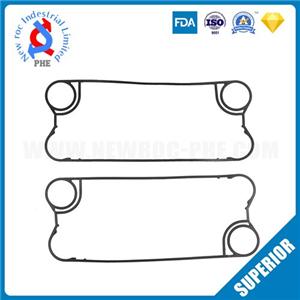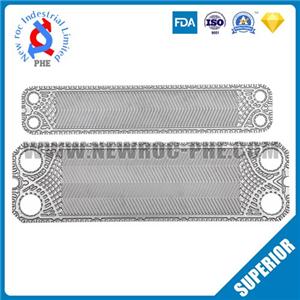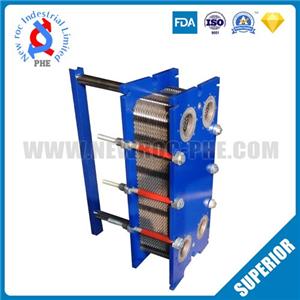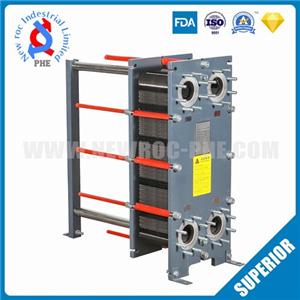
Pressure Drop Rising? PHE Fouling & Blockage Explained
Pressure Drop Rising? Fouling & Blockage in PHE Channels
Watch a plate heat exchanger over a season and you will see a slow drift: the pressure drop creeps up, the outlet temperature slips, and the pump works harder for the same duty. Nothing has failed. The channels are fouling. Plate heat exchanger fouling is the gradual build-up of deposits on the plate surface, and caught early it is a cleaning job, not a rebuild.
01 The Signs of Fouling in a Plate Heat Exchanger
The giveaway is a trend, not a single reading. Plate heat exchanger pressure drop increasing alongside a falling outlet temperature is the classic pair. Add a climbing pump load or uneven temperature across the pack and the picture is clear. Signs of fouling in plate heat exchanger service are easy to miss because each one is small on its own:
Symptom | What it suggests | First action
Pressure drop up on one side | Channel deposit or scale | Check flow, plan a clean
Outlet temperature shortfall | Deposit film on the plates | Review water treatment
Pump load climbing | Narrowed flow path | Trend the pressure drop
Uneven temperature across the pack | Partial blockage | Teardown inspection
02 Where the Blockage Forms
Fouling is not one thing. Scale comes out of hard water, biofilm grows in warm untreated water, particulate settles where the fluid carries solids or fibre, and oily streams leave a film that traps everything else. Most plate heat exchanger blockage starts at the ports and the first plates, where velocity is lowest, so that is where a deposit shows first.
03 How to Prevent Fouling in Heat Exchangers
- Treat the water. Chemistry is the first lever; everything else is a patch.
- Filter the stream. Keep solids and fibre out before they reach the pack.
- Hold the design velocity. Too slow and deposits settle; too fast and the plates erode.
- Watch the trend. Log the pressure drop, and clean when it crosses your limit.
FAQ
Q: How do I know when to clean?
A: When the pressure drop trend crosses the level your duty allows. Set a clean baseline at start-up.
Q: Can fouling damage the unit?
A: The deposit itself is harmless. The local overheating and under-deposit corrosion it causes can pit plates. Clean before that stage.
Q: Does more flow stop fouling?
A: No. Chasing flow past design adds erosion. Fix the chemistry and the filtration instead.
Still Losing Head to a Clogged Pack?
Send us your duty, fluid and current pressure drop. We will tell you whether it needs a clean or a replacement pack, and quote either one. Email info@newroc-phe.com.