Buying PHE Spare Parts from China: Importer Guide
Buying PHE Spare Parts from China: A Practical Guide for Importers
Most first orders leave on a catalogue and a price list, before anyone has held a gasket in daylight. Buying heat exchanger spare parts from China goes well when the order is built like an engineering handover instead of a commodity purchase.
Start With the Factory, Not the Catalogue
Ask for the workshop address and what the plant actually does: plate pressing, gasket moulding, or both. A trading desk can quote anything and stock nothing, which is acceptable for fasteners, less so for a gasket that must sit in one plate pattern. Ask which patterns are made in-house and which are bought in. The answer tells you where your risk sits.
Sample Before You Commit to a Heat Exchanger Gasket Manufacturer in China
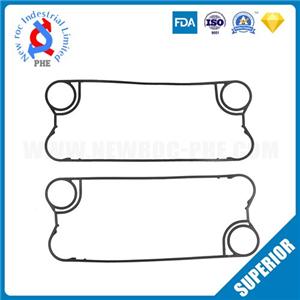
One gasket set settles most of the open questions: port alignment, groove fit, compound hardness, and whether the marking matches the part coming out. Fit the sample on a real unit, run it, then pull it and read the wear. If a supplier will not sample a tag you already own, walk away.
Understand What the Heat Exchanger Spare Parts MOQ Covers
Minimum order quantity for gaskets is normally counted in sets per pattern, not in loose pieces, and it follows the mould. Ask whether the MOQ applies per pattern or per order, whether it includes a plate pack, and how a repeat order is treated. A first order that mixes three or four patterns often reaches the minimum without leaving you with dead stock.
Send the Right Data to Your Plate Heat Exchanger Gasket Supplier
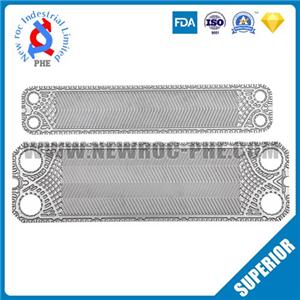
Every order should carry a tag photo, a plate photo that shows the pattern, the plate count, the A-measurement, and the medium with its working temperature. Photos settle more arguments than drawings do. Where the duty is seawater, food or hot oil, say so, because the compound follows the duty and not the price list.
Plan the Heat Exchanger Spare Parts Inspection Early
Agree the check before the container closes, not after it lands. That means dimensions against the old part, compound hardness, surface defects and packing that can survive a sea leg. A short photo report with the measurement sheet is enough for most buyers, and far cheaper than a rejected batch.
Confirm the HS Code and Duty Before the First Shipment
Gaskets, plates and complete units fall under different HS codes, and the treatment in your market depends on the code plus the origin rules in force at the time. Have your broker confirm both, and do not plan landed cost on a supplier's estimate.
Send the tag photo, the duty and the quantity you need to info@newroc-phe.com.