PHE Maintenance Checklist: Extend Service Life
Plate Heat Exchanger Maintenance Checklist: Extend Service Life
Plate heat exchangers rarely fail without warning. The warnings are small and easy to miss: a pressure drop that creeps up over a season, a gasket edge gone hard, a pack closed a little too far last time. This checklist puts the checks in one place, sorted by how often they are needed.
Daily and Weekly Checks
Log inlet and outlet temperatures on both sides, plus pressure drop across each side, and compare against commissioning values. Three things are worth acting on: pressure drop drifting up on one side, the temperature approach widening, and any visible weep at the frame or port area. A plate heat exchanger maintenance schedule that only follows the calendar misses these, because they show up between services.
Monthly Checks
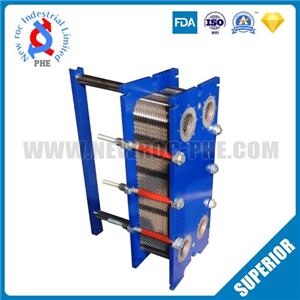
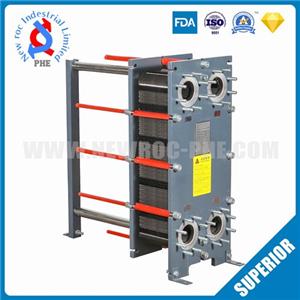
Measure the A-measurement, the distance between the fixed and movable frame bars, and compare it with the drawing or nameplate value. If the pack has closed beyond spec, the plates have bottomed out and the gaskets can no longer seal, whatever torque you add. Check the gasket line for seepage and confirm the bolts are not backing off.
Annual Checks
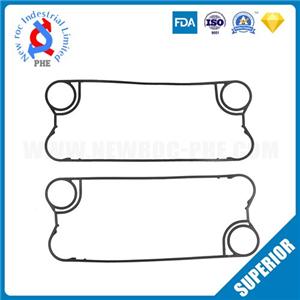
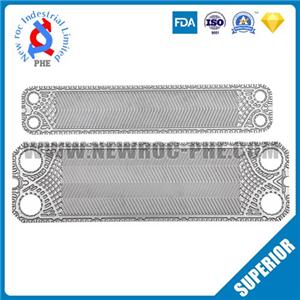
At the yearly shutdown, open the pack. A plate heat exchanger inspection should cover pitting, crevice corrosion, cracks around the ports and plate deformation. Gasket inspection plate heat exchanger work means looking for hardening, swelling, cuts and compression set. In normal duty, re-gasketing falls around every three to five years; hot or aggressive duties come due sooner. Clean the plates by fouling type, then close back to the A-measurement rather than to the tightest it will go.
Spares and Records
Keep a log of service dates, A-measurements, pressure drop readings and parts used. A new gasket has a shelf life of about two years. The log and the old part usually match pattern and gasket type when you reorder.
How to Extend Plate Heat Exchanger Service Life
Three points decide most of it. Water quality, meaning upstream filtration and treatment, sets the fouling rate. Closing to the A-measurement protects plates and gaskets from over-compression. Gasket material matched to the duty decides how long the seal lasts.
FAQ
Q: How often should a PHE be serviced?
A: An operating check monthly, a pack inspection yearly, and re-gasketing typically every three to five years.
Q: Can I stop a leak by tightening the bolts?
A: Only if the pack is under-tightened. Once the A-measurement is at spec, more torque crushes the gasket.
Need the checklist for your unit, or gaskets to keep on the shelf? Send a nameplate photo and the A-measurement to info@newroc-phe.com and we will come back with the matching parts.