How to Clean a Plate Heat Exchanger: CIP vs Manual
How to Clean a Plate Heat Exchanger: CIP vs Manual Cleaning
A plate heat exchanger tells you when it needs cleaning. Pressure drop climbs, the approach temperature widens, and the pump works harder for the same duty. What it does not tell you is which cleaning method to use. CIP suits light organic fouling. Manual cleaning handles what circulation cannot reach.
CIP Cleaning: What It Can and Cannot Do
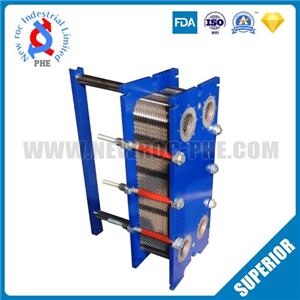
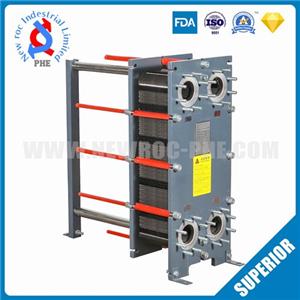
CIP cleaning of a plate heat exchanger circulates a solution through the pack without opening the frame. Downtime is short and no gaskets are handled. A typical sequence: flush with warm water, circulate 1-2% caustic at 60-80°C for organic and fat deposits, rinse, circulate 0.5-2% acid for mineral scale, then rinse to neutral. Keep the solution below the gasket temperature rating, and raise flow above normal duty so the shear lifts deposits off the plates. Two limits: CIP cannot clear blocked ports or fibrous debris, and it cannot rescue a hardened or cracked gasket.
Manual Cleaning: Opening the Pack
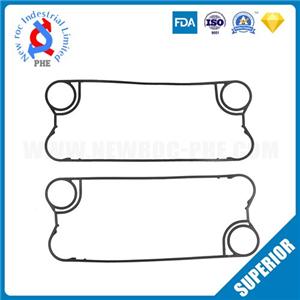
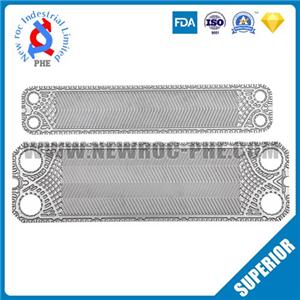
Manual cleaning of a plate heat exchanger starts with measurement. Record the A-measurement, mark each plate and its order, then release the bolts evenly. Rinse with low-pressure water and loosen deposits with a soft nylon brush. Skip wire brushes, metal scrapers, and high-pressure jets held close to the plate, which flatten the corrugation and invite leaks. Inspect every gasket while the pack is open, and replace any that feel hard, show cracks, or have lost their shape. Reassemble in the original order, then tighten diagonally in stages back to the recorded dimension.
Which Method, When
Use CIP first when fouling is light, organic, and the interval is short. Open the unit when scale is hard, ports are blocked, pressure drop stays high after a CIP cycle, or a gasket has failed. Before either, confirm the cause: a rising pressure drop often comes from a dirty strainer, a throttled valve, or trapped air rather than fouling.
Cleaning Chemicals and Gasket Compatibility
Match plate heat exchanger cleaning chemicals to the gasket, not only to the deposit. EPDM handles caustic and dilute acid well. NBR has weaker acid resistance. Viton A suits hot aggressive duty but dislikes hot caustic. Avoid chlorinated water and hypochlorite disinfectants on 316L plates; chloride attacks the passive layer.
FAQ
Q: What plate heat exchanger cleaning frequency should I plan for?
A: Set it from your own clean baseline, then watch pressure drop and approach temperature. A fixed calendar interval ignores how the unit runs.
Q: Can I clean with high-pressure water?
A: At low pressure and from a distance only. Close-up jets deform plates.
Q: How do I know CIP was not enough?
A: Pressure drop and temperature approach stay off baseline after the cycle.
Get a Cleaning Plan for Your Unit
Send your duty, plate material, and gasket type, and we will advise on method and interval. Email info@newroc-phe.com.